

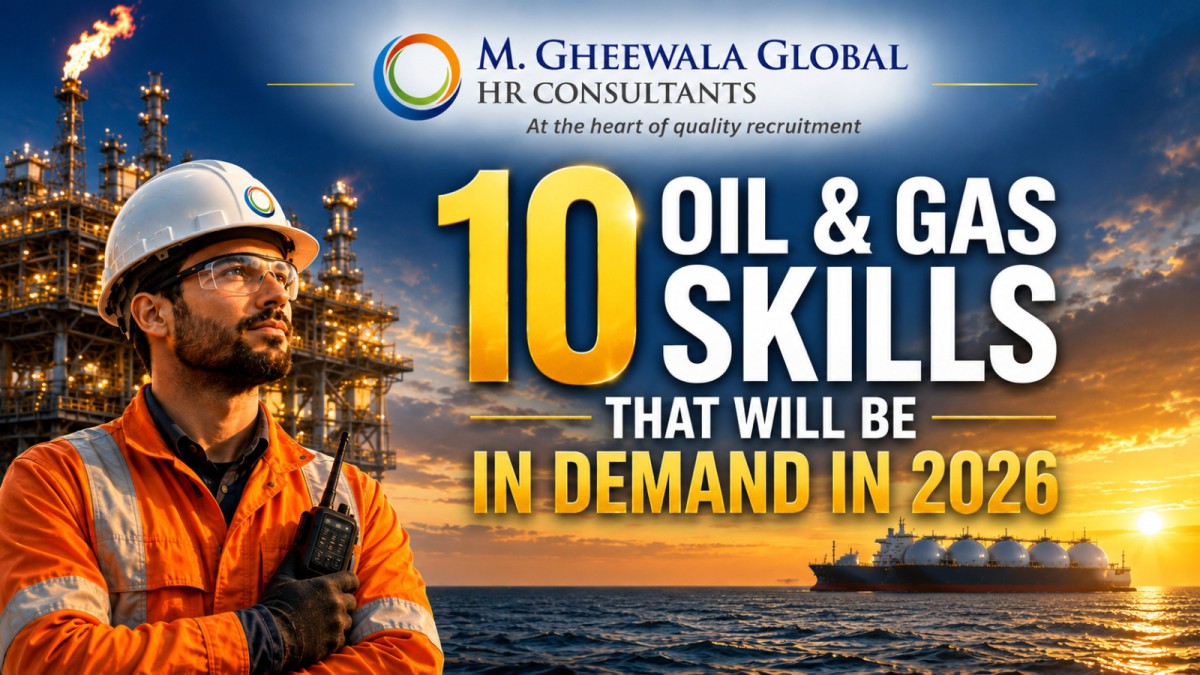
10 Oil & Gas Skills That Will Be in Demand in 2026: The Complete Career Guide
The oil and gas industry is evolving faster than ever before. In 2026, companies are not only looking for experienced engineers and technicians but also professionals who understand digital technologies, automation, data analytics, and modern safety practices. As the industry embraces smarter operations and digital transformation, employees with updated technical and digital skills will have a clear advantage in the job market.
Whether you're a petroleum engineer, HSE professional, project manager, or someone planning to build a career in the energy sector, learning these in-demand skills can help you stay competitive and secure better career opportunities.
Why Oil & Gas Skills Are Changing in 2026
The energy sector is moving beyond traditional operations. Today, oil and gas companies use artificial intelligence, cloud computing, IoT devices, automation systems, and digital reporting tools to improve productivity, reduce costs, and ensure workplace safety.
This shift has increased the demand for digital skills for oil and gas industry professionals who can combine technical knowledge with modern digital tools.
Key Industry Trends Driving Demand
- Artificial Intelligence and automation in operations.
- Digital monitoring and predictive maintenance.
- Data-driven decision-making using analytics.
- Cybersecurity for connected industrial systems.
- HSE compliance through digital reporting tools.
- Sustainability and ESG reporting.
10 Oil & Gas Skills
1. Artificial Intelligence (AI) & Machine Learning
Artificial Intelligence (AI) is transforming the oil and gas industry by making operations smarter, faster, and more efficient. Companies are increasingly using AI and machine learning in energy sector operations to predict equipment failures, improve drilling performance, monitor production, and reduce unplanned downtime. As technology becomes a bigger part of daily operations, understanding how AI is changing oil and gas jobs in 2026 is becoming an essential skill for professionals.
AI is commonly used for predictive maintenance, smart drilling operations, production forecasting, reservoir analysis, and leak detection across oil and gas facilities.
2. Data Analytics, Python & SQL
Data is now at the heart of every major decision in the oil and gas industry. Engineers and analysts work with large volumes of production and operational data every day, making data analytics an essential skill for modern energy professionals.
Learning Python and SQL skills for petroleum engineers helps automate reports, analyze production trends, and improve operational efficiency. Popular tools used in the industry include Python, SQL, Power BI, Tableau, and Microsoft Excel for reporting and visualization.
3. Automation & Industrial Control Systems
Automation is becoming a standard part of oil and gas operations, from refineries and pipelines to offshore platforms. Companies are investing in automated systems to improve productivity, reduce manual work, and monitor operations remotely.
Professionals with automation skills for oil and gas jobs should have knowledge of SCADA systems, PLC programming, Industrial IoT devices, and remote monitoring technologies. These skills help ensure safer and more efficient operations.
4. Cybersecurity for Energy Infrastructure
As oil and gas facilities become more connected through digital systems, cybersecurity has become a top priority. Protecting industrial networks and operational technology is essential to prevent cyber threats that could impact critical energy infrastructure.
Professionals working in this area should understand network security, operational technology (OT) security, incident response, cloud security, and industrial firewall management to keep energy operations secure.
5. HSE Compliance & Digital Reporting
Health, Safety, and Environment (HSE) continues to play a vital role in the oil and gas industry. Many companies have replaced paper-based safety processes with digital systems that make reporting faster, more accurate, and easier to manage.
Professionals with HSE compliance and digital reporting skills use digital tools for incident reporting, safety inspections, permit-to-work management, compliance tracking, and audit reporting. These HSE digital reporting tools for oil and gas sites help improve workplace safety and regulatory compliance.
6. Safety Data Analytics
Safety is no longer based only on inspections; it is also driven by data. Companies are using analytics to identify patterns, predict risks, and prevent workplace incidents before they happen.
The demand for safety data analytics jobs in oil and gas is growing as organizations rely on safety dashboards, KPI monitoring, incident trend analysis, near-miss reporting, and risk prediction models to improve overall safety performance.
7. Digital Twin Technology
Digital Twin technology creates a virtual version of physical equipment and facilities, allowing companies to monitor assets in real time. This technology helps improve maintenance planning, reduce downtime, and optimize production without interrupting operations.
It is becoming an important digital skill for professionals involved in asset management and operational efficiency.
8. Cloud Computing & Industrial IoT
Cloud computing and Industrial IoT are changing how oil and gas companies monitor and manage operations. Connected sensors collect live data from equipment, while cloud platforms allow teams to access that information from anywhere.
Professionals with cloud and IoT knowledge can support real-time monitoring, remote asset management, and better collaboration across drilling sites and refineries.
9. Sustainability & ESG Reporting
Sustainability has become an important focus for oil and gas companies worldwide. Organizations are working to reduce emissions and meet environmental regulations through accurate ESG reporting and better energy management practices.
Professionals with ESG knowledge help companies manage carbon reporting, environmental compliance, and sustainability performance.
10. Digital Project Management & Collaboration
Oil and gas projects involve multiple teams working across different locations, making strong project management skills more important than ever. Digital collaboration tools help teams communicate, manage schedules, and track project progress efficiently.
Professionals with knowledge of Primavera P6, Microsoft Project, Agile methodologies, and digital documentation systems are well-equipped to manage complex energy projects in 2026.
Best Certifications for Oil & Gas Careers in 2026
These certifications can improve your career opportunities in the oil and gas industry:
- NEBOSH International General Certificate: Global HSE and workplace safety certification.
- IOSH Managing Safely: Practical health and safety management skills.
- Primavera P6: Project planning and scheduling for large energy projects.
- Microsoft Power BI: Data visualization and reporting for operational insights.
- AWS Cloud Practitioner: Foundation in cloud computing for the energy sector.
- CompTIA Security+: Cybersecurity skills for protecting industrial systems.
- Python Programming Certification: Data analytics and automation skills for engineers.
- SCADA/PLC Automation Certification: Industrial automation and process control expertise.
Conclusion
The 10 Oil & Gas Skills That Will Be in Demand in 2026 highlight how the industry is moving toward smarter, automated, and data-driven operations. From AI and machine learning in the energy sector to automation skills for oil and gas jobs, cybersecurity for energy infrastructure, and HSE compliance and digital reporting skills, these capabilities are becoming essential for professionals who want to stay competitive in the evolving energy industry.
Whether you're an engineer, HSE professional, technician, or a recent graduate, developing these in-demand skills can help you build a successful career in the global oil and gas sector.
At M Gheewala Global HR Consultants, we connect skilled professionals with leading oil and gas employers across Saudi Arabia, the UAE, Qatar, Kuwait, and other GCC countries. If you're looking for the latest oil and gas job opportunities or career guidance, explore our dedicated Oil & Gas recruitment page and take the next step in your career.
Explore Oil & Gas Jobs with M Gheewala Global HR Consultants: M Gheewala Global HR Consultants – Oil & Gas Jobs
Frequently Asked Questions (FAQs)
1. What skills are in demand in oil and gas in 2026?
The most in-demand skills include AI, machine learning, data analytics, Python, SQL, industrial automation, SCADA, cybersecurity, cloud computing, HSE digital reporting, sustainability reporting, and project management.
2. How is AI changing oil and gas skills requirements?
AI is transforming maintenance, drilling optimization, production forecasting, reservoir analysis, and safety monitoring. Understanding how AI is changing oil and gas jobs in 2026 helps professionals adapt to smarter and more automated operations.
3. What certifications are most valuable for oil and gas careers?
Top certifications include NEBOSH, IOSH Managing Safely, Primavera P6, Power BI, AWS Cloud Practitioner, CompTIA Security+, Python programming, and SCADA/PLC automation certifications.
4. What data analytics skills are needed in oil and gas?
Professionals should learn Python and SQL for petroleum engineers, Power BI, Tableau, Excel analytics, predictive modeling, database querying, and production data visualization.
5. What HSE and safety skills are critical for oil and gas sites?
Critical skills include risk assessment, incident investigation, permit-to-work systems, emergency response planning, compliance auditing, and using HSE digital reporting tools for oil and gas sites for real-time safety monitoring and reporting.
Follow M. Gheewala Global HR Consultants for Latest Vacancies